



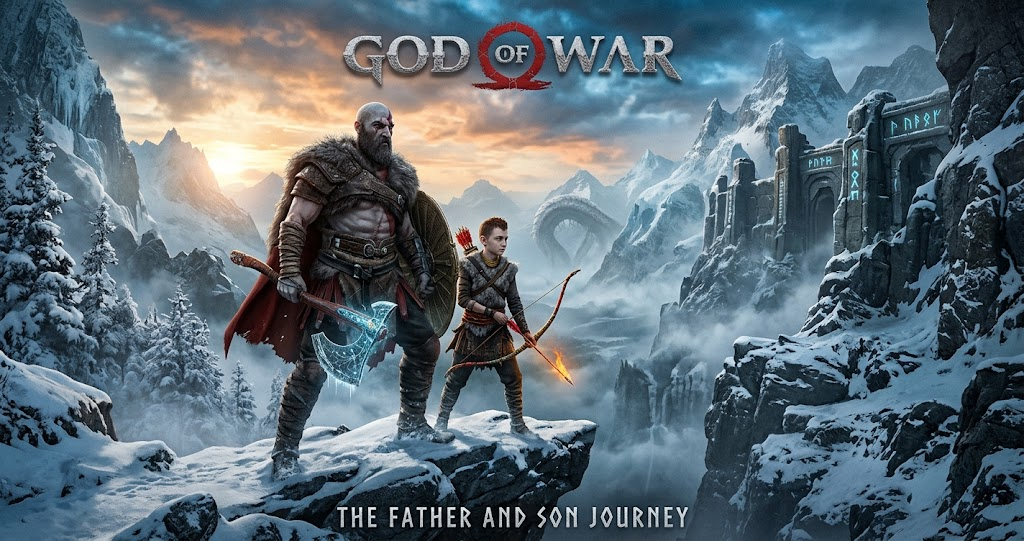
Few action games have created a hero as memorable as Kratos. The God of War series combines brutal battles, powerful mythology, and a personal story about anger, loss, and redemption. Whether you are discovering the franchise for the first time or returning after playing Ragnarök, understanding its different eras makes the adventure even more rewarding.
This guide explores Kratos’s journey, the differences between Greek and Norse mythology, the combat mechanics, and the best order for experiencing the games. It also covers the latest officially announced projects that fans should know about.
What Is God of War About?
Developed by Santa Monica Studio, God of War is an action-adventure franchise built around mythology, challenging enemies, and cinematic storytelling. The original game debuted on PlayStation 2 in 2005, introducing players to Kratos, a Spartan warrior whose life becomes entangled with the Greek gods.
At first, the series focuses on revenge, divine betrayal, and the consequences of Kratos’s violent past. However, later entries give the character a different challenge: learning how to live with his mistakes while protecting his family.
That change helps the franchise appeal to more than players who enjoy combat. Its stories explore responsibility, grief, fatherhood, and the difficult process of changing after years of destructive choices.
Kratos The Warrior Behind the Legend
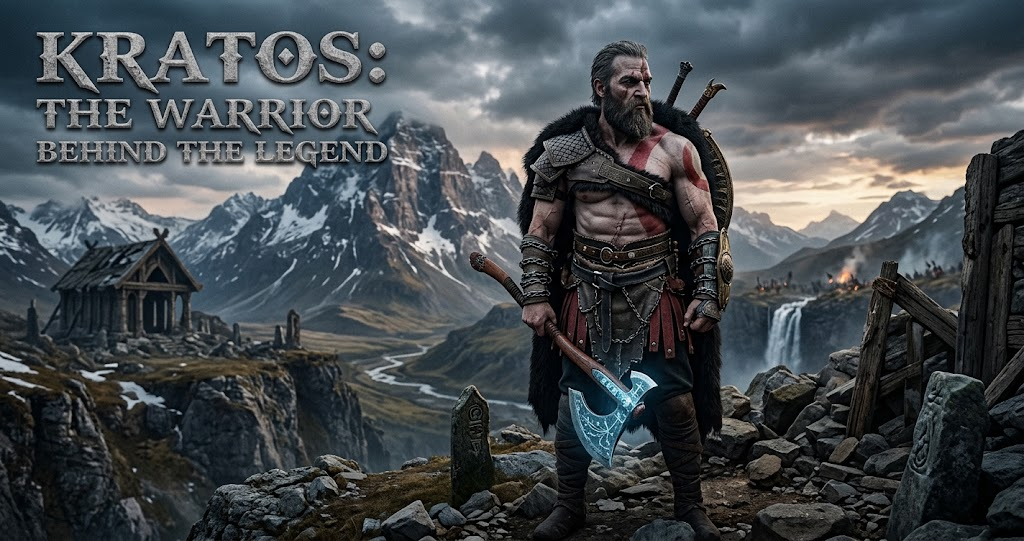
Kratos is the central character of the original Greek saga and the Norse-era games. His immense strength makes him a dangerous opponent, but his personality gives the story its emotional weight.
In the Greek games, rage and revenge frequently control his decisions. His conflicts with Ares, Zeus, and other Olympian figures reveal how personal suffering can turn into a cycle of violence. As a result, his victories often come with serious consequences.
The 2018 game introduces a more restrained Kratos living in the Norse world with his son, Atreus. He wants to teach the boy how to survive without repeating his own mistakes. However, controlling his anger remains difficult, especially when threats endanger his family.
This tension makes Kratos more interesting than a typical unstoppable hero. He possesses extraordinary power, yet he must also learn patience, trust, and self-control.
God of War Gameplay Combat, Exploration, and Progression
The gameplay has evolved considerably since the franchise began. Earlier entries emphasize fast combos, large enemy encounters, and spectacular finishing moves. The newer games retain intense action but add more exploration, equipment management, and tactical decisions.
Greek-Era Combat
The original games use a fixed-camera or cinematic perspective and emphasize combos, dodging, magical attacks, and environmental puzzles. Kratos’s Blades of Chaos become one of gaming’s most recognizable weapons because their chained attacks allow him to strike several enemies with sweeping movements.
Boss fights also play a major role. Encounters with powerful gods and enormous creatures combine timing, pattern recognition, and dramatic set pieces. Consequently, success depends on more than repeatedly attacking an enemy.
Norse-Era Combat
God of War (2018) changes the presentation with an over-the-shoulder camera and a stronger emphasis on deliberate combat. Kratos uses the Leviathan Axe, which he can throw and recall, alongside his shield and close-range attacks.
God of War Ragnarök expands this foundation with additional combat options and a wider range of enemy encounters. Atreus also contributes to battles, giving players another way to approach dangerous situations.
Exploration matters, too. Players can discover equipment, solve environmental puzzles, and improve their characters between major fights. Therefore, taking time to explore can make difficult encounters more manageable.
God of War Games in Order Which Should You Play First?
New players do not need to complete every older release before enjoying the modern story. However, choosing an order helps you understand Kratos’s character development and the connections between major events.
The following table compares important entries and their roles in the franchise.
| Game | Release Year | Main Setting | Best Reason to Play |
|---|---|---|---|
| God of War | 2005 | Greek mythology | Discover Kratos’s origins |
| God of War II | 2007 | Greek mythology | Continue the revenge story |
| God of War III | 2010 | Greek mythology | Experience the conflict with Olympus |
| God of War (2018) | 2018 | Norse mythology | Begin Kratos’s new chapter |
| God of War Ragnarök | 2022 | Norse mythology | Continue the story with Atreus |
These five games provide a practical introduction to the central story across the Greek and Norse eras. The franchise also includes prequels and other releases, so players interested in the complete timeline can explore those after experiencing the main narrative.
Why God of War (2018) Is a Good Starting Point
If you prefer modern graphics, a more personal story, and accessible combat systems, God of War (2018) is an excellent entry point. It introduces the Norse setting and explains Kratos’s relationship with Atreus without requiring newcomers to know every detail of the older games.
Playing the original Greek trilogy first adds context to Kratos’s behavior, but it is not essential to follow the Norse storyline. Either approach works, depending on whether you value historical context or modern gameplay more.
Greek Mythology vs. Norse Mythology
The two eras create noticeably different experiences. The Greek games present a world shaped by divine cruelty, revenge, and spectacular destruction. Their tone often feels aggressive because Kratos spends much of the story fighting the gods who have wronged him.
By contrast, the Norse games focus more heavily on family relationships and the consequences of past decisions. The Nine Realms provide varied environments, while Norse gods and creatures introduce different threats and moral conflicts.
The gameplay reflects these differences. Earlier entries prioritize rapid combos and arcade-like action, whereas the modern games balance weapon timing, defensive moves, exploration, and character development. Both approaches offer satisfying combat, but they serve different storytelling goals.
Latest God of War News and Upcoming Games
The franchise continues to expand beyond the Norse storyline. In February 2026, PlayStation announced that a remake of the original Greek trilogy was in development. The announcement also confirmed the release of God of War Sons of Sparta, a side-scrolling action platformer that returns to the Greek setting.
These projects give longtime fans different ways to revisit the franchise. The planned trilogy remake is especially notable for players who want to experience Kratos’s early adventures with modernized presentation, although its announcement does not mean a release date has been confirmed.
PlayStation has also announced God of War Laufey for February 16, 2027, on PS5. The project introduces Faye, Kratos’s wife and Atreus’s mother, as a playable protagonist. Since this is a future release, check the official PlayStation website for any changes to its launch plans.
Where Can You Play God of War?
Availability depends on the specific game. God of War (2018) and God of War Ragnarök are available on PC through Steam and the Epic Games Store, as well as on supported PlayStation consoles. Older entries originally launched on earlier PlayStation systems, so check compatibility and remaster options before purchasing.
For PC players, system requirements deserve attention because performance depends on hardware and graphics settings. Console players should confirm which version supports their system before buying. These simple checks can help you avoid purchasing a version you cannot play.
Is God of War Worth Playing Today?
God of War remains an appealing choice for players who want action supported by meaningful character development. Its boss fights deliver spectacle, while its mythology creates a setting filled with gods, monsters, and dangerous journeys.
The Norse entries are particularly attractive to players who enjoy exploration and stories about family. Meanwhile, the older Greek games offer faster combat and a more direct revenge narrative. Both eras contribute something different, which makes the franchise worth exploring beyond its best-known releases.
If you are new to the series, start with God of War (2018) for the modern experience or the 2005 original for the beginning of Kratos’s story. Then continue with the entries that interest you most. You can also follow official announcements to keep up with upcoming projects.
Conclusion
God of War has grown from a revenge-driven Greek mythology adventure into a broader story about family, responsibility, and redemption. Kratos remains the heart of the franchise, while the changing combat systems and mythological settings give each era its own identity.
Whether you begin with the original game or jump into the Norse saga, God of War offers a memorable mix of intense battles and character-driven storytelling. Explore the official game pages, choose your preferred starting point, and begin Kratos’s journey.
FAQs
Is God of War available on PC?
Yes, God of War (2018) and God of War Ragnarök are available on PC through Steam and the Epic Games Store. However, availability differs across the older games. Check each game’s store page for supported hardware, system requirements, and purchase options before choosing a version.
What is the correct order to play God of War games?
For the main story, start with God of War (2005), followed by God of War II and God of War III. Then play God of War (2018) and God of War Ragnarök. This approach introduces Kratos’s Greek-era history before his later journey through Norse mythology.
Who is Kratos in God of War?
Kratos is a Spartan warrior whose conflicts with the Greek gods shape the original games. In the Norse-era story, he lives with his son Atreus and tries to escape the destructive patterns of his past. His struggle to balance immense strength with responsibility drives much of the modern narrative.
Is God of War (2018) connected to God of War Ragnarök?
Yes. God of War Ragnarök directly continues the story established in God of War (2018). Both games follow Kratos and Atreus in the Norse realms, with their relationship and the approaching Ragnarök playing central roles. Playing the 2018 game first provides important context for the sequel.
Is a God of War trilogy remake coming?
Yes, PlayStation confirmed in February 2026 that a remake of the original Greek trilogy was in development. However, an announcement is not the same as a confirmed launch date. Follow official PlayStation and Santa Monica Studio announcements for verified information about release timing and gameplay details.
For more updates visit: GAME ARENAX
